Follow the Money: Big Plastic's Stranglehold on Congress Is Killing Our Shot at a Cleaner Future
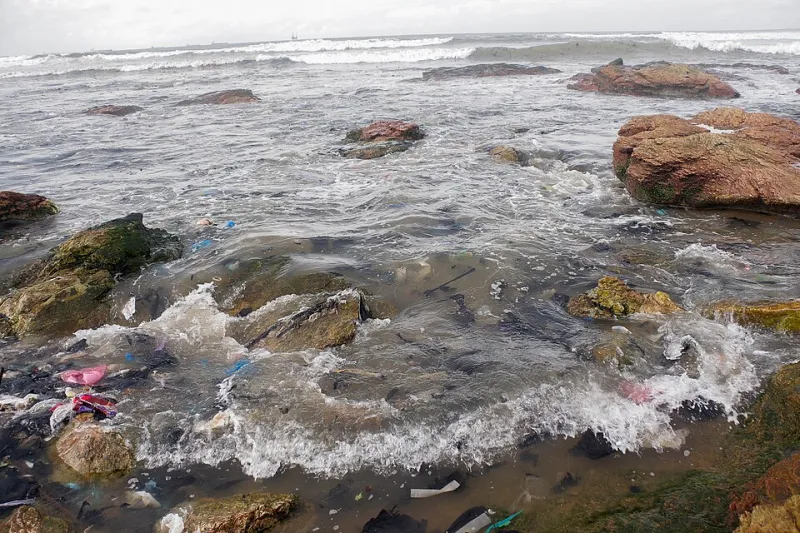
Photo: Esthee2010, CC BY-SA 4.0, via Wikimedia Commons
Let's be honest about something: plastic isn't just a trash problem. It's a power problem.
Every year, Americans throw away roughly 40 million tons of plastic. Less than 6% of it gets recycled. The rest ends up in landfills, waterways, and the lungs and bloodstreams of communities that never asked to be sacrifice zones. And yet, despite years of public outrage, grassroots organizing, and a mountain of scientific evidence linking single-use plastics to cancer, hormonal disruption, and ecological collapse — Congress has done almost nothing.
That's not an accident. That's a business model.
The Lobbying Machine You're Not Supposed to See
Since 2019, the plastics and packaging industry — backed heavily by fossil fuel giants who profit from virgin plastic production — has funneled over $100 million into federal lobbying efforts. Groups like the American Chemistry Council (ACC), the Plastics Industry Association, and the Consumer Brands Association have been relentless in their presence on Capitol Hill, deploying armies of lobbyists to kill, water down, or indefinitely stall federal legislation targeting single-use plastics.
The Break Free From Plastic Pollution Act, first introduced in 2020 and reintroduced multiple times since, would have established a national framework for reducing single-use plastics and expanding producer responsibility. It never made it to a floor vote. Ask yourself why.
OpenSecrets data tells part of the story. The ACC alone spent more than $14 million lobbying Congress between 2020 and 2023. ExxonMobil — one of the world's largest producers of the petrochemical feedstocks that become plastic — contributed millions more through its own lobbying arm while simultaneously running ad campaigns about "advanced recycling" that independent researchers have called, charitably, misleading.
The money doesn't just go to lobbyists. It flows directly to lawmakers. Representatives on the House Energy and Commerce Committee — the very committee that would need to advance plastic pollution legislation — have received hundreds of thousands of dollars in campaign contributions from plastics and petrochemical interests. Some of the biggest recipients have publicly opposed plastic reduction mandates, framing corporate giveaways as "protecting jobs" and "fighting government overreach."
"We're Living Inside Their Waste"
While legislators cash checks, communities are cashing out their health.
In St. James Parish, Louisiana — a stretch of the Mississippi River corridor so saturated with petrochemical plants that residents call it Cancer Alley — plastic production facilities have been greenlit over fierce community opposition. Residents, the majority of whom are Black, report elevated rates of cancer, respiratory illness, and anxiety disorders tied directly to industrial pollution. Many of these same facilities produce the raw materials for single-use plastics.
"We're not a sacrifice zone. We're people," said Sharon Lavigne, founder of RISE St. James and a Goldman Environmental Prize winner, in a 2022 interview. "But they treat us like we don't matter because we don't have lobbyists."
That disparity — between communities who breathe the consequences and corporations who bank the profits — is the central injustice at the heart of the plastic crisis. It's an environmental justice issue as much as an ecological one. Low-income communities and communities of color are disproportionately located near plastic production and waste facilities. They bear the health burden while shareholders in distant ZIP codes collect dividends.
And on the other end of the pipeline? Coastal communities like those in Hawaii and along the Gulf Coast are watching their shorelines transform into plastic graveyards. Microplastics have been found in human breast milk, in the deepest ocean trenches, in Arctic ice cores. This stuff is everywhere — and the industry lobbying against a ban knows it.
The "Recycling" Con
One of the plastics industry's most effective political weapons has been the myth of recycling. For decades, companies like ExxonMobil and Dow have promoted recycling as the solution, even while internal documents — obtained through litigation and investigative reporting — reveal executives knew recycling was economically unviable for most plastics as far back as the 1970s.
Today, the industry is pushing "advanced recycling" — also called chemical recycling — as the next savior. Lawmakers friendly to the industry have used this talking point to justify opposing bans. Why ban plastics when technology will save us?
The problem: independent analyses, including a 2022 report from Beyond Plastics, found that most advanced recycling facilities operate well below capacity, emit significant pollutants, and often produce fuel rather than new plastic — meaning they're really just another form of fossil fuel combustion. It's a PR strategy dressed up as science, and it's working on Capitol Hill.
What Needs to Happen — and How You Can Push It
The federal landscape is grim, but it's not hopeless. Here's where the pressure points are:
1. Demand co-sponsorship of the Break Free From Plastic Pollution Act. This legislation — championed by Senator Jeff Merkley and Representative Jared Huffman — is the most comprehensive federal proposal on the table. Look up your representatives at Congress.gov and call their offices. Tell them you want them on record supporting it.
2. Follow the money and make noise about it. OpenSecrets.org lets you look up exactly how much your representative has taken from plastics and petrochemical industries. Screenshot it. Share it. Tag them. Make them answer for it publicly.
3. Support state-level bans. California, Maine, Oregon, and Colorado have passed significant producer responsibility laws. If your state doesn't have one, find your local environmental advocacy groups and get involved in pushing for one. Federal action is ideal, but states are where a lot of this fight is being won right now.
4. Divest from plastic-heavy brands. Consumer pressure isn't everything, but it's something. Support companies with genuine plastic reduction commitments and call out the ones using "sustainability" as a marketing gimmick.
5. Join or support frontline organizations. Groups like RISE St. James, Surfrider Foundation, and the Center for Biological Diversity are doing the hard work. They need volunteers, donors, and amplifiers.
The Bottom Line
The plastics industry isn't winning because their arguments are better. They're winning because they've bought access, manufactured doubt, and made it politically comfortable for lawmakers to do nothing. That's the playbook. And the only counter to it is an organized, loud, persistent public that refuses to let them off the hook.
Your tax dollars fund the regulatory agencies that are supposed to hold these corporations accountable. Your votes put people in office who either stand up to this industry or kneel to it. The plastic in your ocean didn't get there by accident — it got there because specific people made specific decisions that benefited specific bank accounts.
It's time to make different decisions. Starting with who we elect, what we demand, and how loudly we're willing to say: enough.