The Mortgage Trap: How the Bank Holding Your Home Loan Is Bankrolling the Climate Crisis
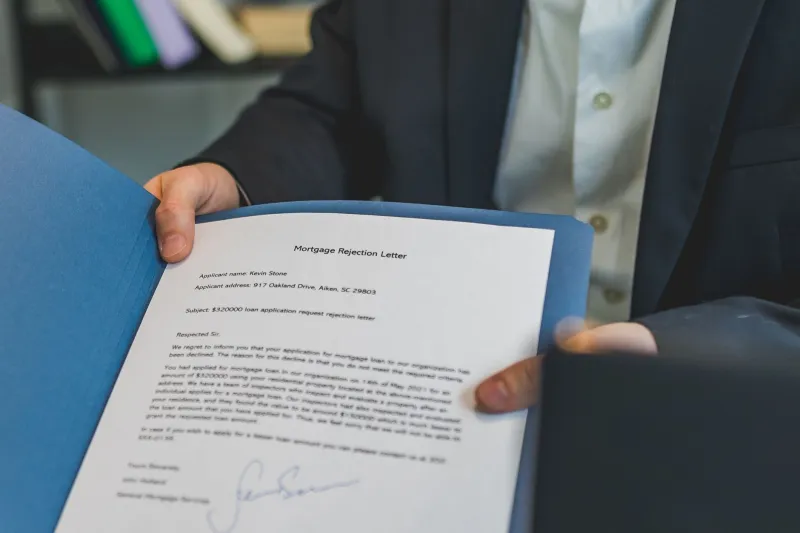
You saved up. You scraped together a down payment. You signed a stack of paperwork that felt like it would never end. And now, every month, you send a check — or an auto-payment — to your mortgage servicer, quietly proud of the fact that you're building equity, building stability, building something for your future.
What you probably didn't know is that your bank is building something too. And it's not a future you'd recognize.
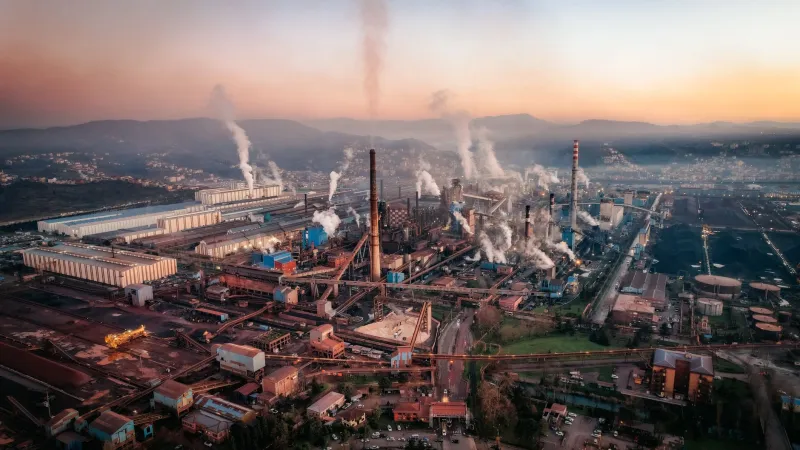
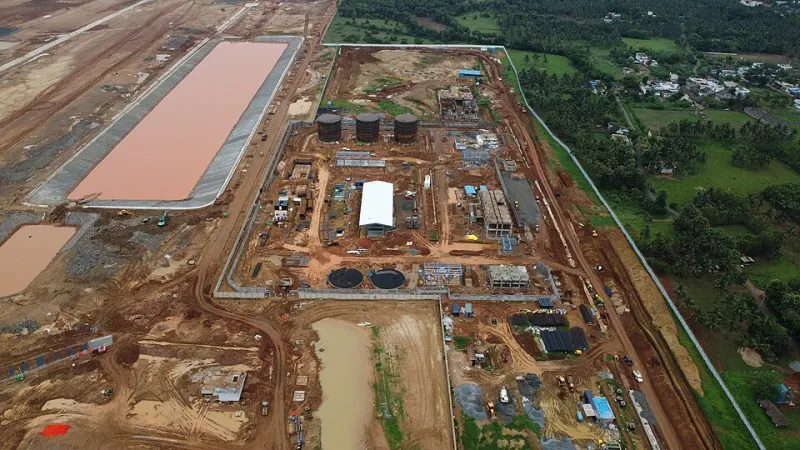
Behind the scenes, the same financial institutions holding your mortgage are shoveling billions of dollars into coal plants, liquefied natural gas terminals, oil pipelines, and the fossil fuel expansion projects that climate scientists are begging us to abandon. Your home loan — one of the most intimate financial decisions of your life — is threaded into a global machine that's actively working against the planet your kids are going to inherit.
This isn't a conspiracy theory. It's just how modern banking works. And it's way past time we talked about it.
How Your Payment Becomes a Pipeline
Here's the basic mechanics: when you take out a mortgage, your bank doesn't just sit on that debt. It pools your loan with thousands of others, packages them into mortgage-backed securities, and sells them off to institutional investors — pension funds, insurance companies, sovereign wealth funds. The cash your bank gets from that sale? It goes right back into their investment portfolio and lending operations.
And what do the biggest banks in America invest in and lend to? According to the Banking on Climate Chaos report — an annual analysis tracking fossil fuel financing by major financial institutions — the top U.S. banks have collectively funneled over $1.4 trillion into fossil fuel companies since the Paris Agreement was signed in 2016. JPMorgan Chase, Bank of America, Wells Fargo, and Citigroup consistently rank among the world's top financiers of oil, gas, and coal expansion.
JPMorgan Chase alone — one of the nation's largest mortgage lenders — has provided more fossil fuel financing than any other bank on the planet over that same period. That's not a company quietly hedging its bets. That's a company making a deliberate, massive bet against the energy transition.
The Fine Print Nobody Reads
None of this shows up in your closing documents. There's no line item that says: $200 of your monthly payment will support a natural gas pipeline in Appalachia. Banks aren't required to disclose how they deploy capital raised through mortgage operations. The regulatory framework simply doesn't demand that kind of transparency — and the banking lobby has spent decades making sure it stays that way.
What we do know comes from public filings, shareholder disclosures, and investigative reporting. And what those sources reveal is a financial system that has effectively privatized climate risk — pushing the long-term costs of fossil fuel infrastructure onto communities, taxpayers, and future generations — while pocketing the short-term returns.
Meanwhile, the homes those mortgages are financing are increasingly at risk from the very climate chaos those investments are accelerating. Flood insurance is becoming unaffordable or unavailable in coastal markets. Wildfire risk is repricing homes across the West. Extreme heat is making entire regions less livable. Your bank is funding the crisis that's threatening the asset it convinced you to buy.
Let that one sink in.
Who's Doing Better — and Why It Matters
Not every lender operates this way. Credit unions, community development financial institutions (CDFIs), and a growing number of mission-aligned banks have made explicit commitments to avoid fossil fuel financing. Institutions like Amalgamated Bank — which has publicly pledged to align its lending with a 1.5°C climate pathway — and various regional credit unions offer mortgage products without the dirty investment portfolio attached.
The difference isn't just symbolic. When you bank with an institution that doesn't finance fossil fuel expansion, you are genuinely redirecting capital. Capital is not infinite. Every dollar a bank commits to a gas pipeline is a dollar it's not lending to a solar farm, an energy-efficient housing development, or a community resilience project. Where money flows, infrastructure follows. Where infrastructure goes, the future gets built.
The fossil fuel industry understands this, which is why it lobbies so aggressively against green banking regulations and clean investment standards. They know that cutting off the financial oxygen to new extraction projects is one of the fastest ways to accelerate the transition away from dirty energy. Your mortgage is part of that oxygen supply — whether you realize it or not.
The Questions You Should Be Asking
So what can you actually do? Start by finding out who really holds your mortgage. Servicers change frequently — the company you write your check to may not be the one that owns your loan. The Consumer Financial Protection Bureau (CFPB) has tools to help you trace your mortgage's ownership.
Once you know who holds your loan, look up their fossil fuel financing record. The Rainforest Action Network publishes annual rankings. BankTrack maintains a database of fossil fuel deals tied to specific financial institutions. It takes about 20 minutes and it's genuinely eye-opening.
If you're still in the market for a home — or if you're considering refinancing — research mission-aligned lenders before you sign anything. Ask directly: Does your institution finance fossil fuel extraction or infrastructure? If they can't answer clearly, that tells you something.
For current homeowners who can't easily refinance, the power is still in your voice. Banks respond to organized pressure in ways they don't respond to individual customers. Join or support campaigns pushing major mortgage lenders to adopt fossil fuel exclusion policies. Groups like the Sierra Club, Sunrise Movement, and the Stop the Money Pipeline coalition are actively targeting financial institutions — and they've had real wins.
Your Home Shouldn't Be Their Weapon
Owning a home is supposed to be about security — about having a stable place in the world, a foundation for your family, a small piece of something that's yours. The fact that the financial system has turned that aspiration into a funding mechanism for climate destruction is one of the quieter outrages of our moment.
You didn't sign up to bankroll a gas pipeline when you bought your house. You signed up for a home. It's time to demand a financial system that understands the difference — and to start making choices, wherever we can, that starve the machine keeping us locked into fossil fuels.
The banks made this personal when they came for your mortgage. Now it's your turn to make it personal right back.