The Clothes on Your Back Are Killing Someone Else's River
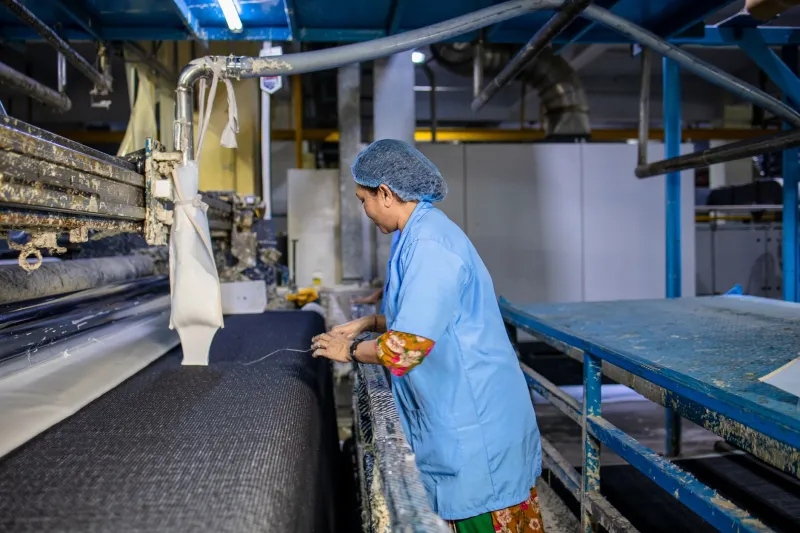
There's a river in Bangladesh called the Buriganga. It used to support fishing communities. Kids swam in it. Families drew from it. Today it runs black and green and purple depending on the season — not because of algae, but because of the dye cycles at the garment factories lining its banks. Those factories are making clothes for brands you recognize. Brands with 'conscious collections.' Brands with sustainability pledges stitched right onto the hang tag.
This is the story of fast fashion's other supply chain — not the one that gets photographed for the annual report, but the one that ends in toxic waterways, respiratory illness, and children born into communities that have been quietly designated as sacrifice zones so Americans can refresh their wardrobes every six weeks.
What 'Affordable' Actually Costs
The reason a shirt costs $7 at a fast fashion retailer isn't magic. It's geography. When brands like Shein, H&M, Zara, and their dozens of competitors source production from countries like Bangladesh, Cambodia, Pakistan, and parts of sub-Saharan Africa, they're not just chasing cheap labor — they're chasing cheap consequences. Environmental regulations in these regions are frequently underfunded, unenforced, or deliberately gutted by governments competing for foreign manufacturing contracts.
The textile industry is one of the most chemically intensive manufacturing sectors on earth. Producing a single pair of jeans requires roughly 1,500 gallons of water and exposes workers to a cocktail of synthetic dyes, bleaching agents, formaldehyde-based wrinkle treatments, and heavy metal fixatives including lead, mercury, and chromium. In countries with robust environmental oversight, managing that chemical load is expensive. In countries without it, the cost gets externalized — onto the river, onto the groundwater, onto the lungs of the workers and the kids who live downstream.
A 2023 report from the environmental watchdog group Changing Markets Foundation found that major fast fashion brands routinely misrepresent the environmental impact of their supply chains, with some scoring their own sourcing practices as 'low risk' in regions where local NGOs were documenting active contamination crises. The gap between the brand narrative and the ground reality isn't a rounding error. It's the whole business model.
The Donation Bin Lie
Here's where it gets worse — and more personal for American consumers.
Every year, US households donate an estimated 4.7 billion pounds of clothing to thrift stores, charity bins, and textile recyclers. It feels like the responsible choice. You're not throwing it away. You're giving it new life, right?
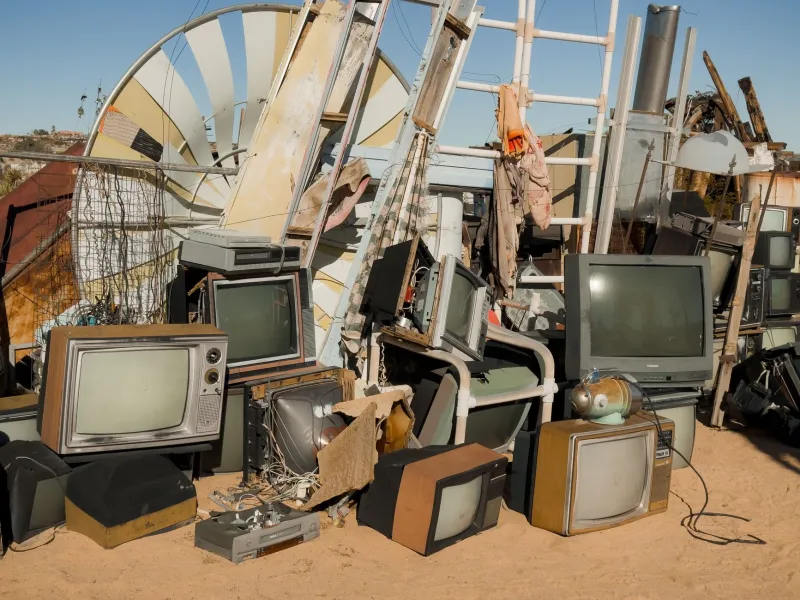
Except the math doesn't work. Domestic resale markets are completely saturated. Only about 20 percent of donated clothing actually gets resold in the US. The rest gets baled and shipped — often to the same countries where it was manufactured. Ghana's Kantamanto Market in Accra receives an estimated 15 million garments a week from Western donation streams. A significant portion of that — some estimates say nearly 40 percent — is too damaged or low-quality to sell and ends up in illegal dump sites, burned in open pits, or washed into the Atlantic Ocean.
So the cycle completes itself in the most brutal way possible: the community that was poisoned making the clothes gets poisoned again receiving them back as garbage. The brand collects the PR value of its recycling program. The consumer feels virtuous. And the river keeps running purple.
Who's Actually Living This
In the Citarum River basin in West Java, Indonesia — once called the world's most polluted river — garment workers and farming families have reported elevated rates of skin disease, respiratory illness, and miscarriage for decades. Children in adjacent communities have tested positive for lead and cadmium exposure at levels that would trigger federal emergency responses if they were found in a US zip code. They haven't triggered anything. The brands sourcing from those factories have, in some cases, continued operating there while simultaneously launching 'clean water' initiatives in their marketing materials.
In Cambodia, female garment workers — who make up the overwhelming majority of the textile workforce — routinely report working without adequate ventilation while handling synthetic fiber dust that accumulates in the lungs. Occupational health access is limited. Union organizing is dangerous. And the brands these workers produce for have annual revenues that dwarf the GDP of the countries they're operating in.
This isn't an accident of geography. It's a feature. The entire economic logic of fast fashion depends on keeping these communities too poor, too isolated, and too legally unprotected to push back.
The 'Sustainable Collection' Shell Game
Walk into almost any major fast fashion retailer in an American mall right now and you'll find a rack of 'conscious,' 'eco,' or 'responsible' pieces — slightly higher priced, prominently tagged with recycled fiber content percentages or water-reduction claims. These collections exist for one purpose: to give environmentally aware consumers a pressure valve.
The problem is that these lines almost never represent more than a few percent of a brand's total production. H&M's Conscious Collection, for example, has been the subject of multiple investigations — including a scathing 2022 analysis by the Norwegian Consumer Authority — for making environmental claims that couldn't be substantiated. The Norwegian regulator found that the brand's sustainability scoring system was misleading enough to potentially constitute greenwashing under consumer protection law.
In the US, the Federal Trade Commission has Green Guides that are supposed to govern environmental marketing claims, but enforcement is limited and the standards are vague enough that brands can claim 'made with sustainable materials' based on a single recycled button. Meanwhile, the toxic dye bath that colored the fabric is still draining into someone's watershed.
What You Can Actually Do
Let's be clear about something: the solution here is not individual consumer heroism. Buying less is genuinely better than buying more, but thrift shopping and capsule wardrobes will not dismantle an industry that produces 100 billion garments a year. Systemic problems need systemic solutions.
That means pressuring Congress to pass meaningful supply chain transparency legislation — bills that would require brands to disclose where and how their products are made, and hold them legally accountable for environmental violations in their supplier networks. The FABRIC Act, which would establish stronger protections for garment workers, has stalled repeatedly. It needs a push.
It means supporting organizations like the Clean Clothes Campaign and Remake who are doing direct advocacy with garment workers and pushing brands to sign binding wage and environmental agreements — not voluntary pledges, not sustainability reports, binding agreements with teeth.
And it means calling out the donation bin mythology. If you're clearing your closet, research where your clothes actually go. Organizations like Wearable Collections and I:CO have more accountable textile recycling streams. At minimum, stop pretending that dropping a bag of fast fashion at Goodwill is an environmental act.
The Buriganga River didn't turn black because of anything the people living beside it did. It turned black because someone far away decided their water was an acceptable cost of doing business. That decision was made for them. We don't have to keep making it.